
- English
- 简体中文
- Español
- Português
- русский
- Français
- 日本語
- Deutsch
- tiếng Việt
- Italiano
- Nederlands
- ภาษาไทย
- Polski
- 한국어
- Svenska
- magyar
- Malay
- বাংলা ভাষার
- Dansk
- Suomi
- हिन्दी
- Pilipino
- Türkçe
- Gaeilge
- العربية
- Indonesia
- Norsk
- تمل
- český
- ελληνικά
- український
- Javanese
- فارسی
- தமிழ்
- తెలుగు
- नेपाली
- Burmese
- български
- ລາວ
- Latine
- Қазақша
- Euskal
- Azərbaycan
- Slovenský jazyk
- Македонски
- Lietuvos
- Eesti Keel
- Română
- Slovenski
- मराठी

SABIC DU242 PEI: Not Just High Flow, but the "Master of Balance" in Low-Temperature Impact Resistance
In the world of engineering plastic material selection, we often face a "have it both ways" dilemma: wanting high temperature resistance often sacrifices flowability; pursuing high flow frequently compromises toughness, especially impact resistance at low temperatures. For precision electronics, complex components, and parts that need long-term service in harsh environments, this "specialization" often leaves designers and engineers with significant headaches.
As a comprehensive service provider deeply rooted in the imported engineering plastic raw materials industry for many years, we fully understand this pain point. Today, we will delve into the science behind a star product from SABIC (Saudi Basic Industries Corporation) — ULTEM™ Resin DU242. It is a polyetherimide (PEI) blend that perfectly exemplifies the art of "balance."
I. Breaking Conventions: When "High Flow" Meets "Low-Temperature Toughness"
Traditional PEI materials are renowned for their excellent heat resistance, but their flowability often becomes a bottleneck in processing complex thin-wall parts, and their toughness tends to decrease significantly at low temperatures. The development of SABIC DU242 was precisely aimed at solving this industry challenge.
According to official SABIC technical data, DU242 is classified as an "Enhanced low temperature impact, high flow Polyetherimide blend."
Simply put, it offers designers two "sweet spots":
1. High Flowability: This means it can fill more complex, thinner mold structures, reducing injection pressure and improving production efficiency.
2. Low-Temperature Toughness: It breaks the stereotype of PEI becoming brittle in cold environments, significantly expanding the application scenarios for components.
II. Hard Data Breakdown: What Makes DU242 So Strong?
As an enterprise integrating science, industry, and trade, we focus not only on "selling points" but also on "data." Below, we analyze the core performance parameters of DU242 from several key dimensions:
1. Mechanical Properties: Combining Rigidity and Flexibility
DU242 maintains the high-strength characteristics of the PEI family while imparting excellent ductility.
• Strength & Modulus: Its tensile strength (yield) reaches 74 MPa, tensile modulus is 2580 MPa, and flexural strength (yield) is as high as 112 MPa. This ensures excellent resistance to deformation under load.
• Ductility: The elongation at break reaches 67%. This figure is quite impressive among high-temperature resistant engineering plastics, meaning the material can absorb more energy before fracturing, exhibiting a degree of "flexibility."
2. Impact Resistance: The "Protective Shield" at Low Temperatures
This is the core competitive advantage of DU242. Ordinary PEI materials can become brittle at low temperatures, but DU242 significantly enhances notched impact toughness through a special blend design.
• Notched Impact (23°C): 181 J/m (3.4 ft-lb/in), demonstrating good baseline toughness.
• Unnotched Impact: Up to 2045 J/m (38.3 ft-lb/in). This high value indicates exceptional impact resistance in the absence of stress concentrators.
• Low-Temperature Performance: It is specifically optimized for low-temperature environments, making it highly suitable for equipment housings or components used outdoors or in cold regions.
3. Thermal Performance & Flame Retardancy: The Inherent "Safety Guard"
As a specialty engineering plastic, high-temperature resistance and flame retardancy are the hallmark capabilities of PEI, and DU242 is no exception.
• Heat Deflection Temperature (HDT): Under a load of 1.82 MPa, the HDT reaches 160°C (320°F), allowing it to maintain stable dimensions in high-temperature environments.
• Flame Retardancy Rating: It achieves a UL94 V-0 rating at 1.0 mm. This means it can self-extinguish rapidly upon exposure to an open flame. Furthermore, SABIC confirms the formulation is not intentionally adding PFAS, aligning with increasingly stringent environmental regulations.
4. Processing Guide: Process Advantages from High Flow
For injection molders, the high flowability of DU242 translates to lower processing difficulty and shorter cycle times.
• Recommended Melt Temperature: 330 - 355°C (626 - 671°F).
• Mold Temperature: Recommended between 95 - 135°C (203 - 275°F) to achieve optimal crystallinity and surface finish.
• Drying Requirements: PEI is hygroscopic and must be dried to a moisture content ≤ 0.02% before processing. Drying at 135°C (275°F) for 4-6 hours is recommended.
III. Application Scenarios: From Sky to Ground, From Industrial to Civil
With this "golden combination" of high flow, high heat resistance, low-temperature toughness, and inherent flame retardancy, DU242 finds use in a wide range of "challenging" applications:
• Transportation: Automotive under-the-hood connectors, sensors, relays; aerospace interior components. It withstands continuous vibration, high temperatures, and winter cold.
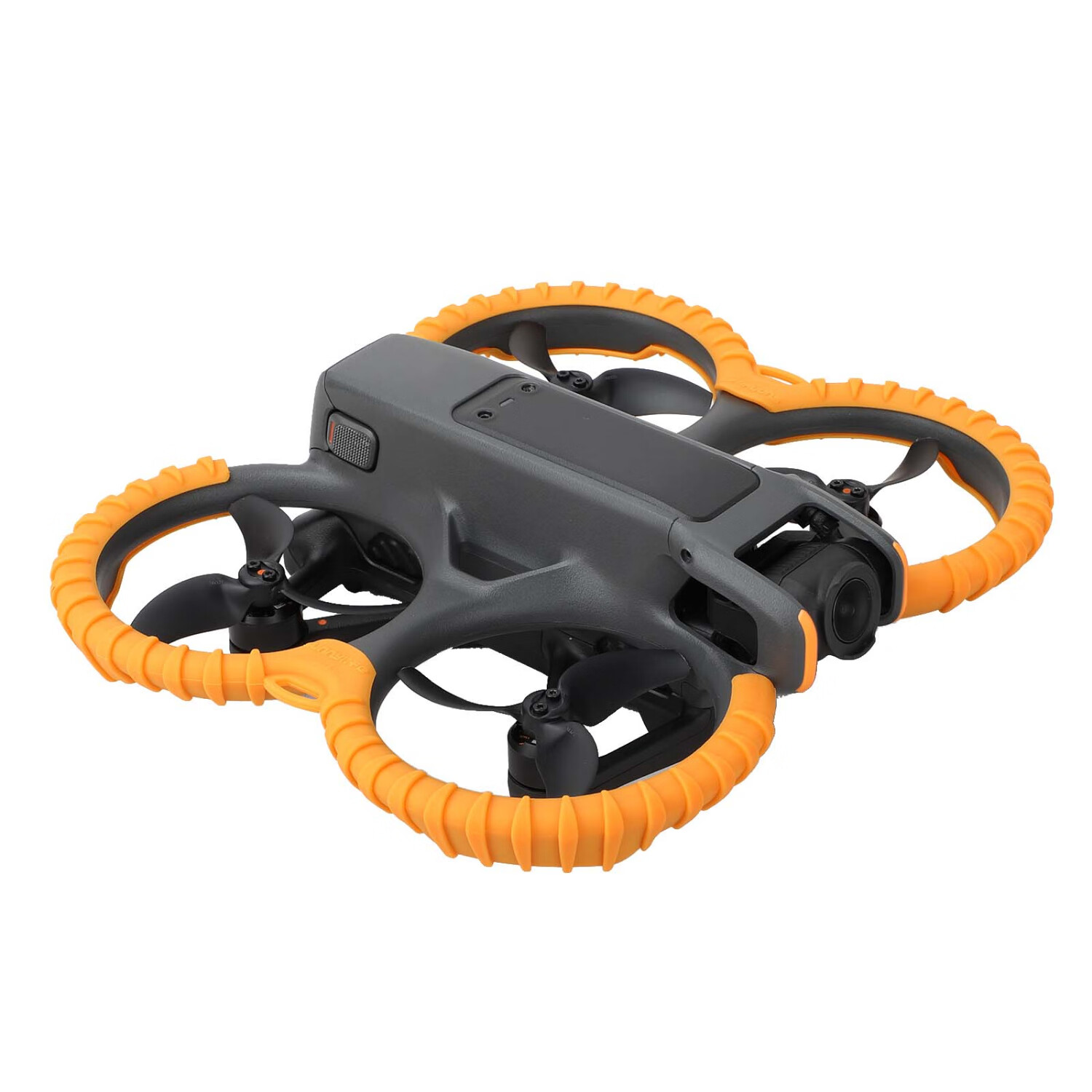
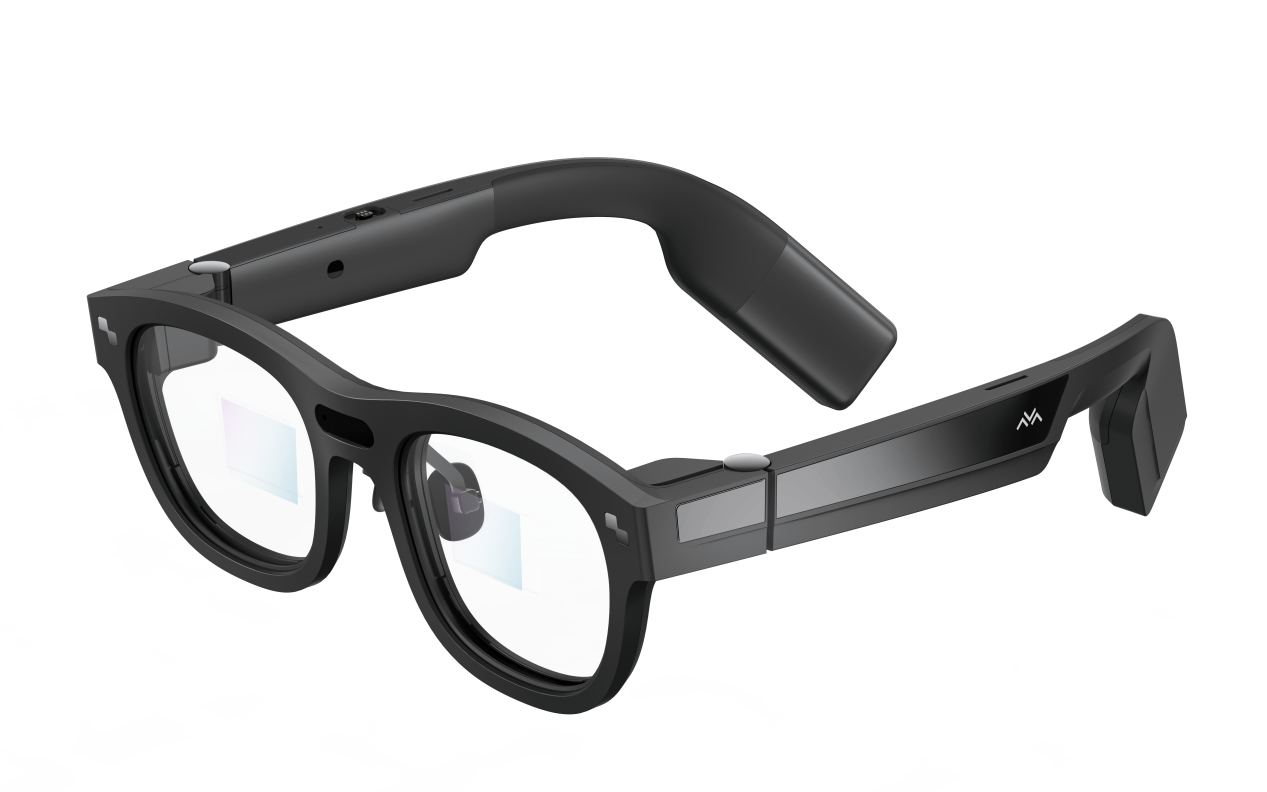
• Consumer Electronics: Drone frames and propeller guards, internal antenna switches for phones/computers, AR/VR smart glasses frames. Its high flow enables lightweight designs for these thin-wall, complex structures.
• Industrial & Energy: Hydrolysis-resistant parts requiring chemical resistance, electrical equipment housings, circuit breakers.
• Eyewear: Utilizing its dimensional stability and chemical resistance (resistance to sweat corrosion) to manufacture high-end, lightweight eyeglass frames.
IV. Our Value: More Than Just Selling Material, We Provide Solutions
As a comprehensive enterprise integrating trade, application development, product design, and molding manufacturing, our introduction of SABIC DU242 PEI is not merely about offering a raw material.
We understand that no material, no matter how excellent, can realize its full value without the right process and design. Leveraging our "Science-Industry-Trade Collaboration" advantages:
• During the product design phase, we can leverage DU242's high-flow characteristics to help you optimize product structure and wall thickness design.
• During the molding manufacturing phase, our technical team can be deployed to your site to assist in adjusting injection molding process parameters (such as mold temperature, back pressure) and troubleshoot any issues encountered during mold trials.
SABIC DU242 is more than just a material; it is an ideal solution for tackling complex environments and achieving lightweight design.
If you are seeking a specialty engineering plastic that balances high and low-temperature resistance, high flow, and inherent flame retardancy, or if you are facing challenges with the injection molding of your current products, please feel free to contact our technical team. Let us empower your products with our professional material selection expertise and technical service.