
- English
- 简体中文
- Español
- Português
- русский
- Français
- 日本語
- Deutsch
- tiếng Việt
- Italiano
- Nederlands
- ภาษาไทย
- Polski
- 한국어
- Svenska
- magyar
- Malay
- বাংলা ভাষার
- Dansk
- Suomi
- हिन्दी
- Pilipino
- Türkçe
- Gaeilge
- العربية
- Indonesia
- Norsk
- تمل
- český
- ελληνικά
- український
- Javanese
- فارسی
- தமிழ்
- తెలుగు
- नेपाली
- Burmese
- български
- ລາວ
- Latine
- Қазақша
- Euskal
- Azərbaycan
- Slovenský jazyk
- Македонски
- Lietuvos
- Eesti Keel
- Română
- Slovenski
- मराठी

Engineering Plastics and “Conflict-Free Minerals”: A Quiet Supply Chain Revolution
You may have heard of “conflict minerals”—tin, tantalum, tungsten, and gold, collectively known as 3TG. In politically unstable regions such as the Democratic Republic of Congo, trade in these minerals has often been linked to armed groups, forced labor, and human rights abuses. But what does an engineering plastic pellet have to do with those “blood minerals” far away in Africa?
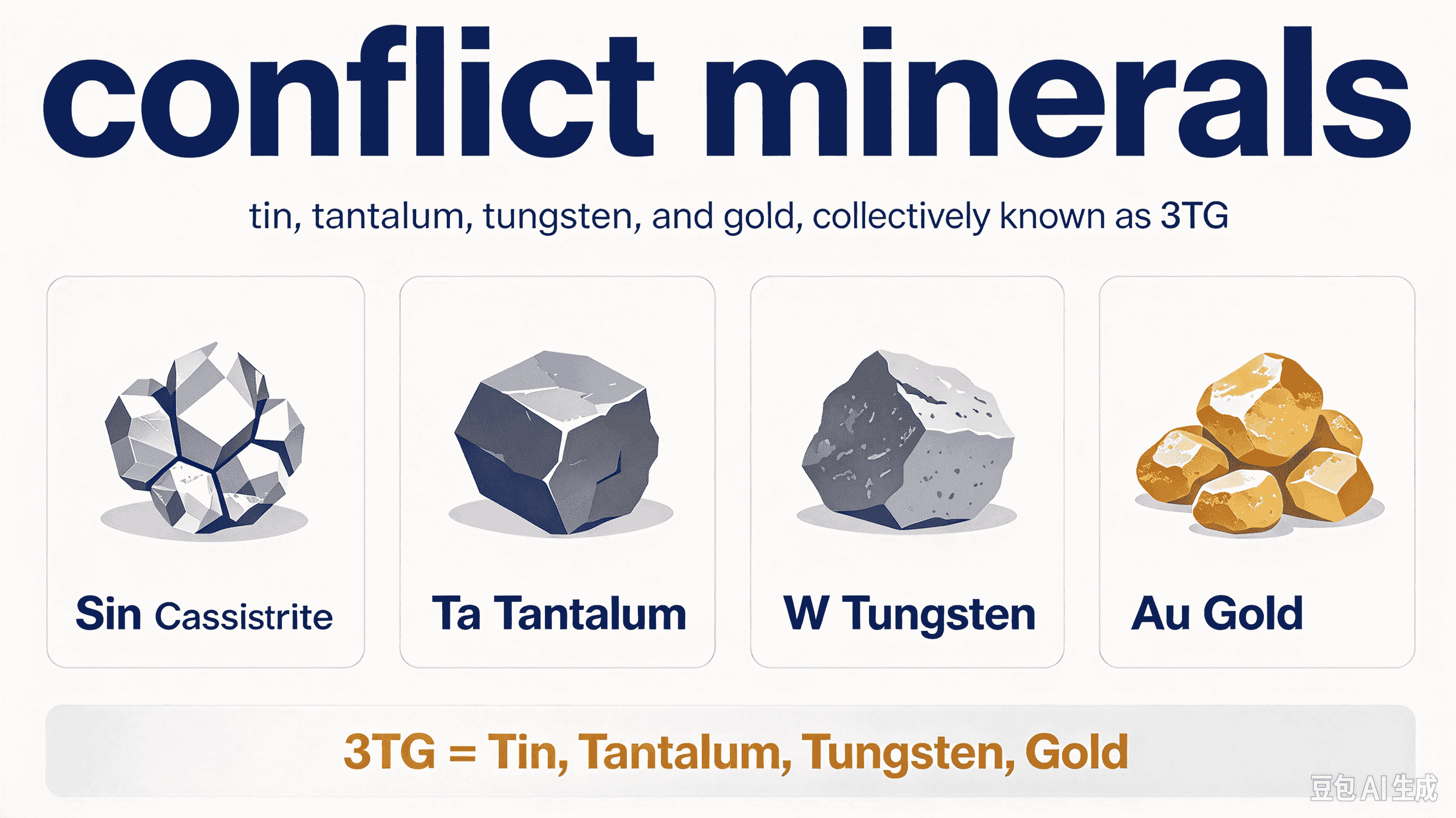
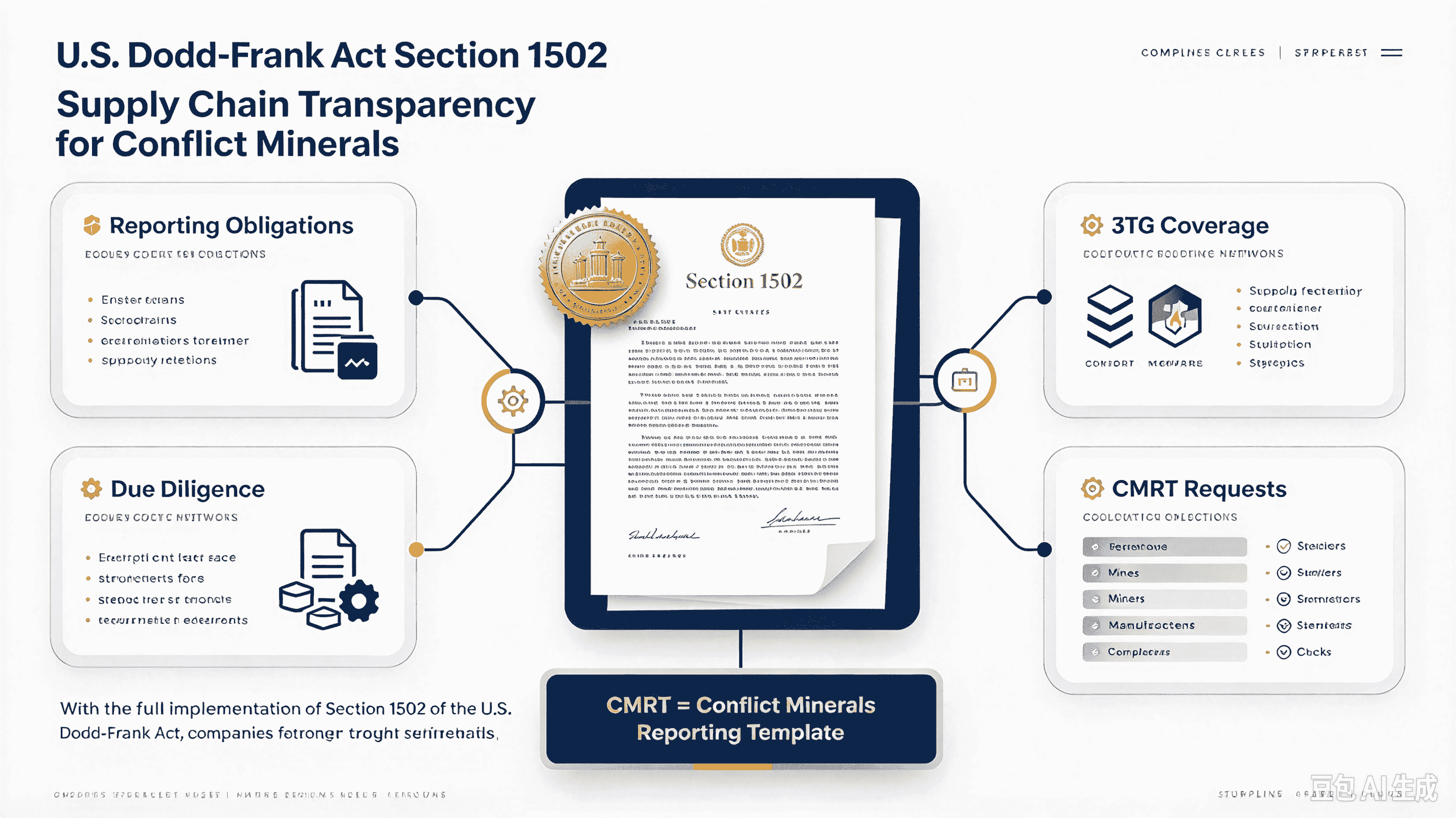
The answer lies in the supply chain. Although engineering plastics are based mainly on petroleum-derived polymers, their modification and processing stages can indirectly introduce 3TG through mineral fillers, flame retardants, color masterbatches, and even catalysts. With the full implementation of Section 1502 of the U.S. Dodd-Frank Act and the EU Conflict Minerals Regulation, requests for CMRT—the Conflict Minerals Reporting Template—from European and American brand owners have become routine. Without qualified compliance documents, contract renewal is simply not on the table.
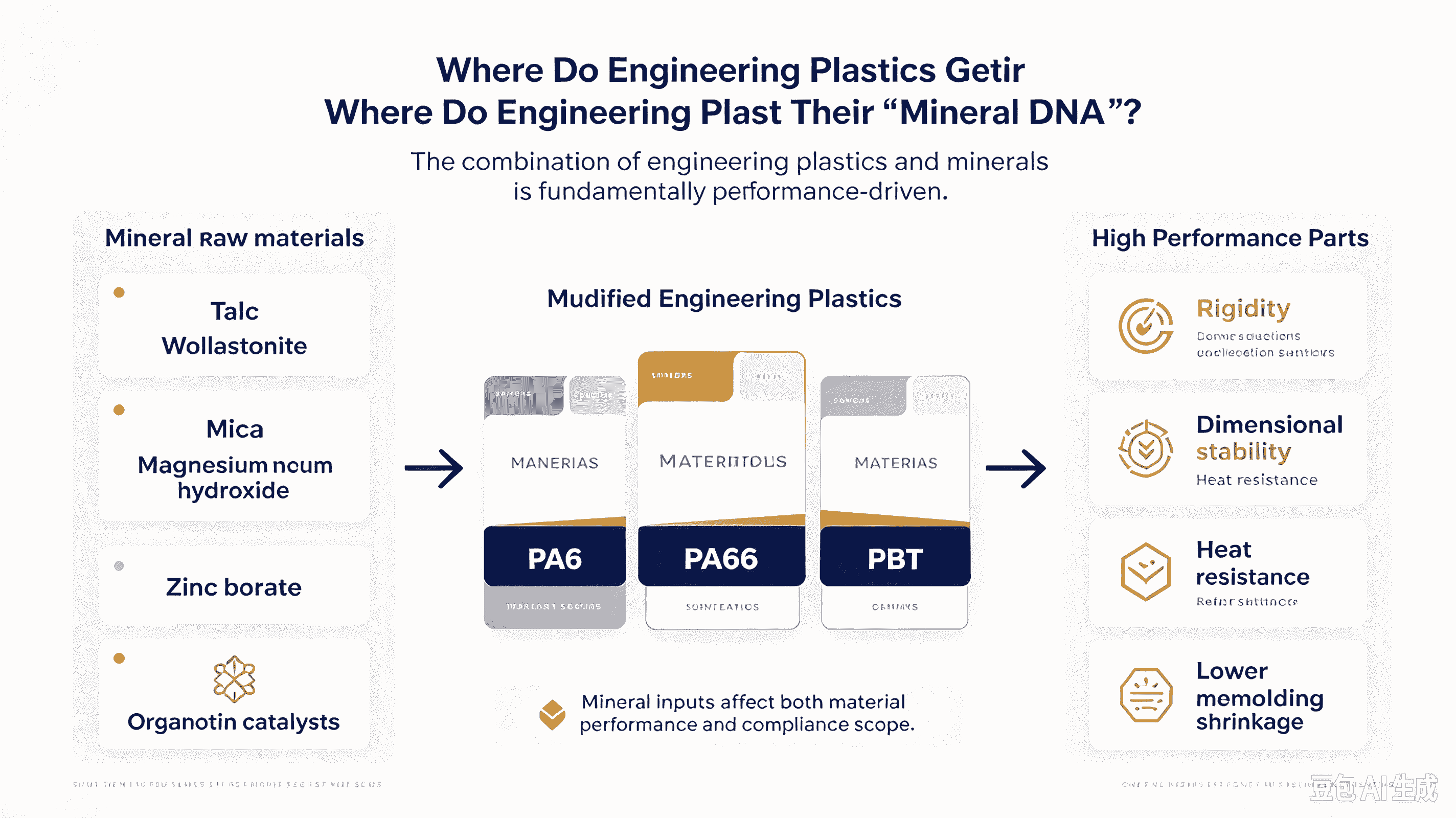
Where Do Engineering Plastics Get Their “Mineral DNA”?
The combination of engineering plastics and minerals is fundamentally performance-driven. In PA6, PA66, and PBT, for example, adding mineral fillers such as talc, wollastonite, and mica can significantly improve rigidity, dimensional stability, and heat resistance while reducing molding shrinkage. In the electrical and electronics sector, common mineral-based flame-retardant systems in halogen-free PA6—such as magnesium hydroxide and zinc borate—are also mineral-derived. Going one level deeper, organotin catalysts used in some polymerization processes may theoretically fall within the scope of compliance review.
This means that even if the engineering plastic itself contains no metal, the mineral components in its formulation still need to go through supply chain due diligence.
“Conflict-Free” Does Not Mean “Mineral-Free”
A key concept must be clarified here: “conflict-free minerals” does not mean “zero minerals.” It means that the mineral components contained in a product can be traced to non-conflict regions or to smelters recognized under the Responsible Minerals Initiative (RMI).
The good news is that the engineering plastics industry has a natural advantage in this area. Unlike electronic components, which use large amounts of tantalum capacitors and solder, engineering plastics have very low direct dependence on 3TG. One components manufacturer noted in its 2025 sustainability report that because its products are mainly engineering plastics, its direct conflict-mineral risk is relatively low. Lanxess has also publicly stated that no gold, tantalum, tin, tungsten, or their compounds are intentionally added during the final production of its thermoplastic resin products.
From a practical compliance perspective, what engineering plastics traders need to focus on is not whether 3TG is present, but whether they can issue a clear “conflict-free minerals statement” to customers. At present, mainstream engineering plastics suppliers such as Envalior and MCAM have provided conflict minerals declarations based on the EICC/GeSI framework, and some product lines also cover the Extended Minerals Reporting Template (EMRT), bringing emerging minerals of concern such as cobalt and mica into the traceability scope.
Three Practical Recommendations for Buyers
First, prioritize grades that already have compliance declarations. During the inquiry stage, proactively request conflict minerals statement documents from suppliers and confirm that their 3TG sources are traceable. At present, public statements are available for reference for product lines such as Envalior’s Durethan® series and MCAM’s TIVAR™ and Nylatron™ series.
Second, pay attention to the origin of mineral fillers. Although the mining locations of fillers such as talc, mica, and wollastonite are not directly equivalent to 3TG mining areas, if the supply chain involves high-risk regions, it is still advisable to include them in due diligence.
Third, build compliance requirements into the formulation design stage. If the end customer has clear CMRT requirements, then when selecting materials, priority should be given to engineering plastic grades with transparent mineral filler sources and mature supplier compliance systems, so as to avoid passive remediation later.
Under the broader trend of “metal-to-plastic substitution,” engineering plastics are entering more and more structural and functional parts. Compliance capability is becoming a new competitive advantage in engineering plastics trading. Whoever can help customers clarify the “mineral account” in the supply chain will secure a ticket to the next round of global sourcing.