
- English
- 简体中文
- Español
- Português
- русский
- Français
- 日本語
- Deutsch
- tiếng Việt
- Italiano
- Nederlands
- ภาษาไทย
- Polski
- 한국어
- Svenska
- magyar
- Malay
- বাংলা ভাষার
- Dansk
- Suomi
- हिन्दी
- Pilipino
- Türkçe
- Gaeilge
- العربية
- Indonesia
- Norsk
- تمل
- český
- ελληνικά
- український
- Javanese
- فارسی
- தமிழ்
- తెలుగు
- नेपाली
- Burmese
- български
- ລາວ
- Latine
- Қазақша
- Euskal
- Azərbaycan
- Slovenský jazyk
- Македонски
- Lietuvos
- Eesti Keel
- Română
- Slovenski
- मराठी

Popular Science: The Three "Transformations" of Engineering Plastic Pellets
Amidst the current wave of manufacturing transformation and upgrading, engineering plastics, as key materials for replacing metals and achieving lightweighting, are continuously expanding their application boundaries. From aerospace to new energy vehicles, from 3C electronics to smart homes, the tough and lightweight plastic components around us are, for the most part, not pure virgin resins but rather modified plastic pellets that have undergone a process of "empowerment."
As practitioners deeply rooted in the engineering plastics industry for many years, we understand well that basic raw materials often struggle to meet the stringent requirements of complex operating conditions. Today, let's step into the microscopic world of plastic modification and unveil several core "magic touch" techniques.
1. Why Modify? Turning "Flour" into "Bread"
We can compare base resins (such as ABS, PA, PC, POM, etc.) to "flour." Flour can satisfy hunger, but its texture is simple and its nutrition limited. Only by adding "eggs," "sugar," "yeast," etc., followed by "kneading" and "baking," can it become soft and delicious bread. Plastic modification works on a similar principle. Through physical or chemical methods, other substances are added to the base material to significantly enhance its mechanical properties, heat resistance, flame retardancy, weatherability, or grant it special functions like antistatic properties and wear resistance.
2. In-Depth Analysis of Three Core Modification Methods
1. Additive Modification: Small Dosage, Big Impact
Additives are the "seasonings" of plastic modification. Although used in small amounts (typically a few tenths to a few percent), they can dramatically alter processing and performance characteristics.
• Toughening Agents: For inherently brittle plastics like PC or PPS, elastomers or rubber powders such as POE or SBS are added. The principle is akin to embedding elastic "rubber balls" within a rigid "cement" structure to absorb impact energy, making brittle plastics "unbreakable." Commonly used in bumpers and sports equipment.
• Compatibilizers: Acting like "glue" or a "mediator." When we want to blend two incompatible plastics (e.g., PA/PP) into an alloy, a compatibilizer is necessary. It reduces interfacial tension, allowing them to combine tightly, resulting in an alloy material with more balanced properties.
• Antioxidants / Light Stabilizers: Plastics also "age"—turning yellow and becoming brittle. Antioxidants prevent oxidative degradation during high-temperature processing and use; light stabilizers absorb or block UV radiation, delaying outdoor aging. This is crucial for automotive exterior parts and agricultural films.
2. Filling Modification: Balancing Rigidity and Toughness, Cost Reduction and Efficiency Increase
Filling modification involves adding inorganic or organic fillers to alter the physical and mechanical properties of plastics and reduce costs.
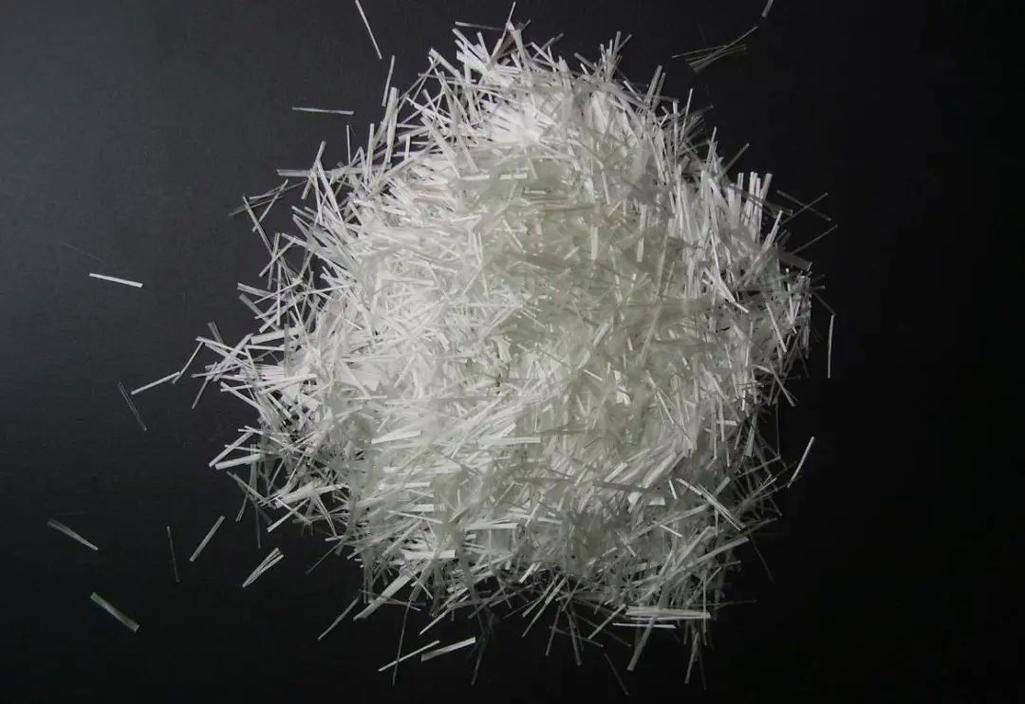
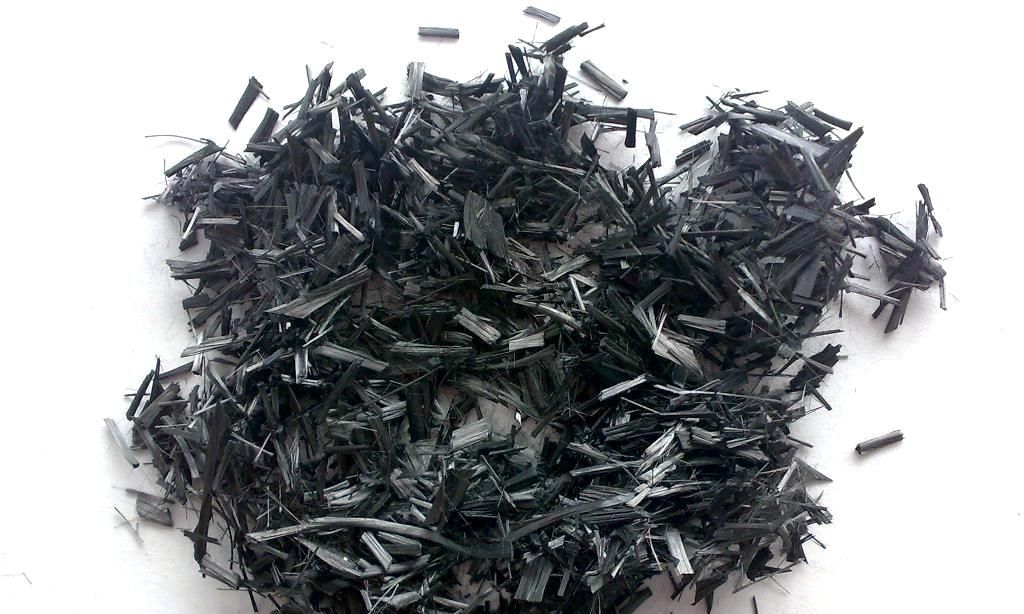
• Reinforcing Fillers: The most typical are Glass Fiber Reinforcement and Carbon Fiber Reinforcement. Adding 25%-45% glass fiber to resins like nylon (PA) or polypropylene (PP) is like adding "steel rebar" to "concrete," increasing their strength, rigidity, and heat resistance (heat deflection temperature) by 2-3 times or even more. This is why reinforced plastics can replace metals in manufacturing load-bearing parts like fan blades and pump housings.
• Lubricating/Wear-Resistant Fillers: This is where PTFE (Polytetrafluoroethylene, commonly known as Teflon) shines as a filler. When we add PTFE micropowder or fibers to engineering plastics (such as POM, PA, PEEK), PTFE's extremely low coefficient of friction (acting as a solid lubricant) forms a lubricating film on the material's surface, significantly reducing frictional loss. This type of modified plastic is often used to manufacture oil-free bearings, gears, slides, and other moving parts, achieving an effect of being "both strong and slippery."
• General Fillers: Adding mineral powders like calcium carbonate, talc, or mica. For example, adding talc to PP not only improves rigidity and heat resistance but also reduces the shrinkage rate of the finished product, preventing warping. This is commonly used in air conditioner fan blades and instrument panel skeletons. Moreover, fillers are typically much cheaper than resins, thus effectively lowering material costs.
3. Flame Retardant Modification: Putting a Fireproof Suit on Plastics
Most plastics are flammable, and in fields like electronics and rail transportation, fire safety is paramount. Flame retardant modification involves adding flame retardants to give plastics the ability to "self-extinguish upon leaving the flame."
• Halogenated Flame Retardants: Traditional and efficient, but they may produce significant smoke and corrosive gases during combustion. Under current environmental trends, their application is somewhat restricted.
• Phosphorus-Nitrogen Flame Retardants (Halogen-Free): A mainstream eco-friendly choice. They work by promoting char formation, which insulates against oxygen and heat, resulting in low smoke emission during combustion. They comply with environmental regulations like RoHS and REACH and are widely used in charging station housings and TV backs.
• Inorganic Flame Retardants: Such as magnesium hydroxide and aluminum hydroxide. Upon heating, they decompose, absorbing a large amount of heat and releasing water vapor, which also provides smoke suppression. However, they typically require high loading levels, which can significantly impact the material's mechanical properties.
• Intumescent Flame Retardants: When heated, they rapidly form a thick, porous char layer on the material's surface, acting like a "heat shield" to protect the underlying base material.
Conclusion
Plastic modification is a science of "tailoring." By skillfully combining the additives, fillers, and flame retardants mentioned above, we can fundamentally transform an ordinary plastic, precisely meeting the diverse needs of different industries.
As a comprehensive enterprise integrating trade, application development, product design, and molding manufacturing, we not only supply high-quality raw materials but are also committed to helping customers solve problems throughout the entire process, from material selection to mass production, through precise modification formulations. The next time you hold a comfortable and reliable plastic component, perhaps you'll appreciate the exquisite microstructural design feast behind it.