
- English
- 简体中文
- Español
- Português
- русский
- Français
- 日本語
- Deutsch
- tiếng Việt
- Italiano
- Nederlands
- ภาษาไทย
- Polski
- 한국어
- Svenska
- magyar
- Malay
- বাংলা ভাষার
- Dansk
- Suomi
- हिन्दी
- Pilipino
- Türkçe
- Gaeilge
- العربية
- Indonesia
- Norsk
- تمل
- český
- ελληνικά
- український
- Javanese
- فارسی
- தமிழ்
- తెలుగు
- नेपाली
- Burmese
- български
- ລາວ
- Latine
- Қазақша
- Euskal
- Azərbaycan
- Slovenský jazyk
- Македонски
- Lietuvos
- Eesti Keel
- Română
- Slovenski
- मराठी

ULTRAMID® A 216 Y10: A Molybdenum Disulfide Modified PA66 Grade for Balanced Performance
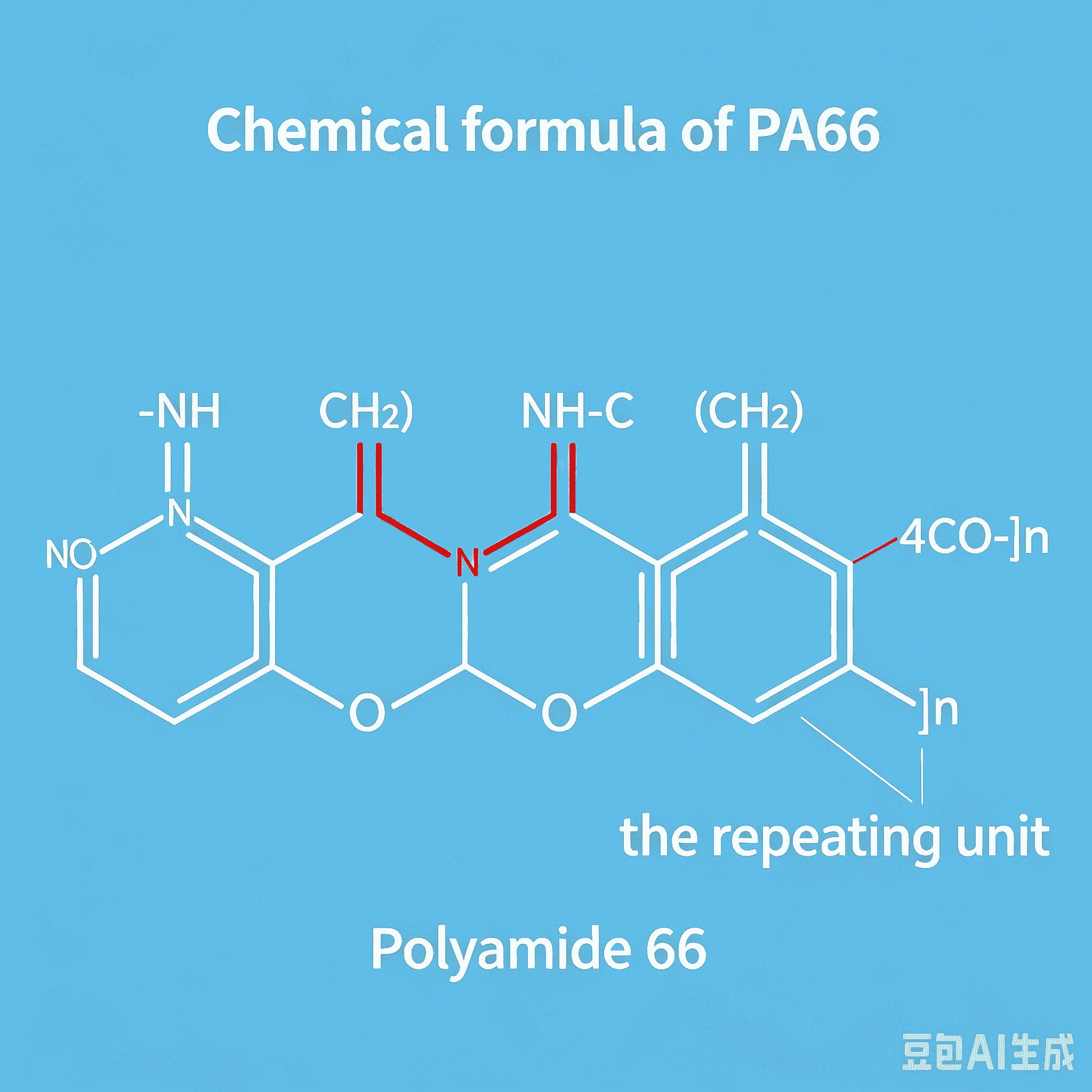
In the vast family of engineering plastics, polyamide 66 (PA66) has always held a pivotal position. BASF's ULTRAMID® series stands as one of the most representative product lines in this field. The ULTRAMID® portfolio is built upon a wide range of base polymers – including PA6, PA66, PA66/6 copolyamide, PA610, and semi aromatic polyamides such as PA6T/6 – combined with modification technologies such as unreinforced, glass fiber reinforced, mineral filled, and long glass fiber reinforced grades, delivering engineering plastic solutions that cover an extensive spectrum of performance requirements. Among these, ULTRAMID® A 216 Y10 – an injection moulding PA66 grade modified with molybdenum disulfide (MoS₂) lubricant – stands out for its excellent self lubricating properties and wear resistance, making it a preferred choice for numerous precision components.
1. Basic Physical Properties: Hard Data Behind the Performance
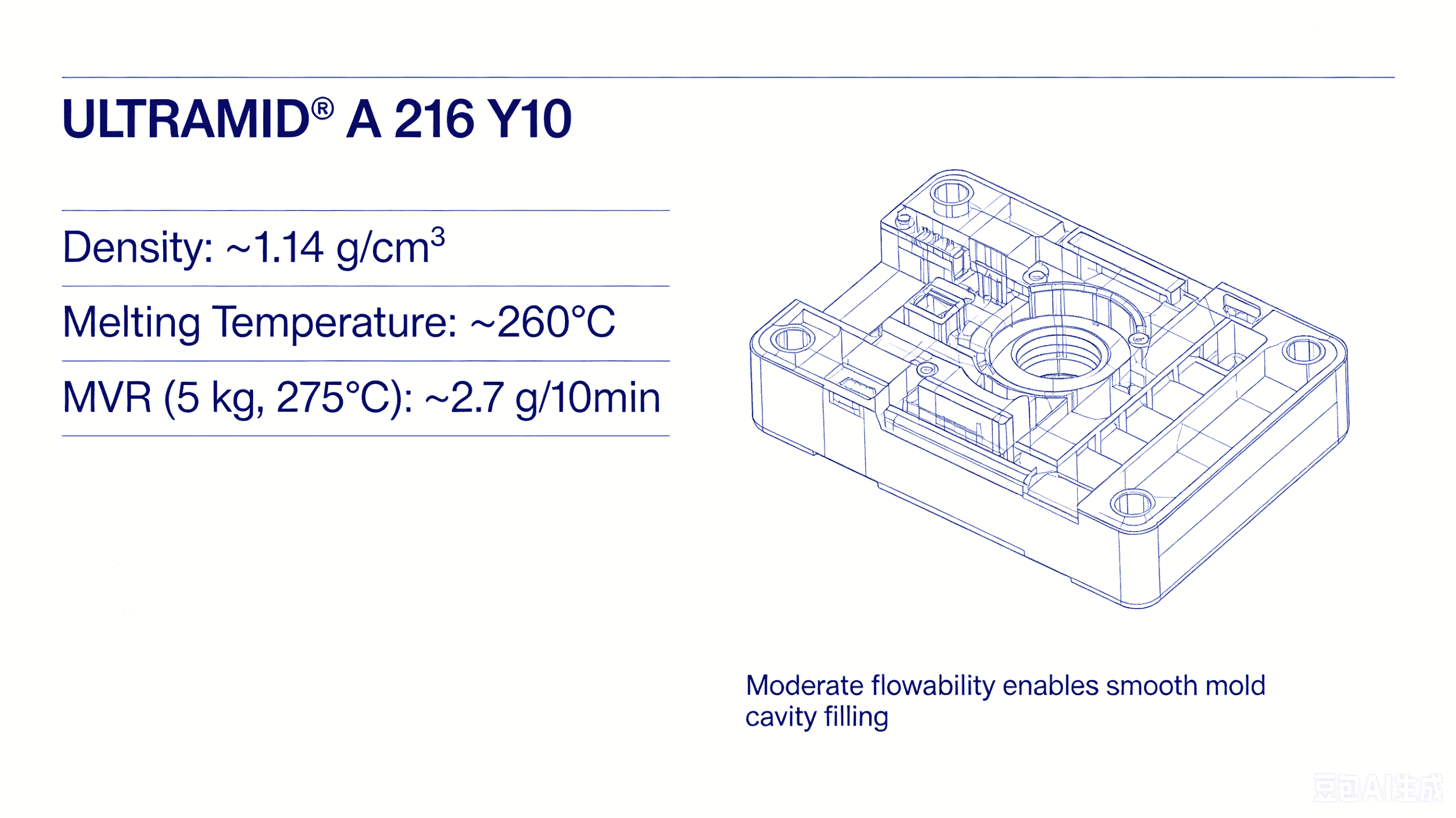
ULTRAMID® A 216 Y10 is a PA66 resin containing molybdenum disulfide lubricant, supplied in pellet form with a standard package of 25 kg per bag. Its density is approximately 1.14 g/cm³, and its melting temperature is around 260°C. Under conditions of 275°C and a 5 kg load, its melt flow rate is approximately 2.7 g/10min, indicating moderate flowability that allows smooth filling of mould cavities, making it suitable for injection moulding of complex shaped parts. The product typically exhibits a dark grey appearance.
2. Key Characteristics: Why Is It So Highly Regarded?
Mechanical Strength and Rigidity: Even in its unreinforced state, ULTRAMID® A 216 Y10 demonstrates high mechanical strength and stiffness. Its tensile modulus reaches 2,900 MPa, tensile strength is 82 MPa, and elongation at break is 60%. These figures indicate that components made from this material can withstand substantial external forces and loads while maintaining shape and structural stability over long term service.
Thermal Performance: PA66 itself possesses a high melting point (approximately 260°C), endowing the material with excellent heat resistance. Its Vicat softening temperature is 221°C, enabling stable performance and resistance to deformation in high temperature environments.
Low Temperature Toughness: Unlike many materials that become brittle at low temperatures, ULTRAMID® A 216 Y10 maintains good toughness even in cold environments. The notched Charpy impact strength at 23°C is 7 kJ/m², making it perform exceptionally well in applications requiring resistance to low temperature impact or in cold climates.
Chemical Resistance: The material exhibits good resistance to a wide range of chemicals, including oils, fuels, hydraulic fluids, coolants, refrigerants, cleaning agents, aliphatic and aromatic hydrocarbons. This resistance ensures the integrity and service life of components in harsh chemical environments.
Electrical Properties: As an excellent insulating material, ULTRAMID® A 216 Y10 offers high volume and surface resistivity, making it suitable for electrical insulation components. It achieves a UL 94 V 2 flame rating at both 1.6 mm and 3.2 mm thicknesses, meeting the safety requirements of electronic products.
Sliding Friction and Wear Resistance: Thanks to the molybdenum disulfide (MoS₂) lubricant additive, this grade exhibits a low coefficient of friction and excellent wear resistance. It is particularly well suited for bearings, gears, sliders, and other components where reduced friction and wear are critical – helping to lower energy losses and extend part service life.
Dimensional Stability: Compared to other PA66 materials, ULTRAMID® A 216 Y10 has relatively low moisture absorption, with less susceptibility to dimensional changes caused by environmental humidity fluctuations. This makes it especially valuable for precision components such as connectors in electronic and electrical equipment, where tight tolerances are essential.
3. Typical Applications: From Automotive to Electronics
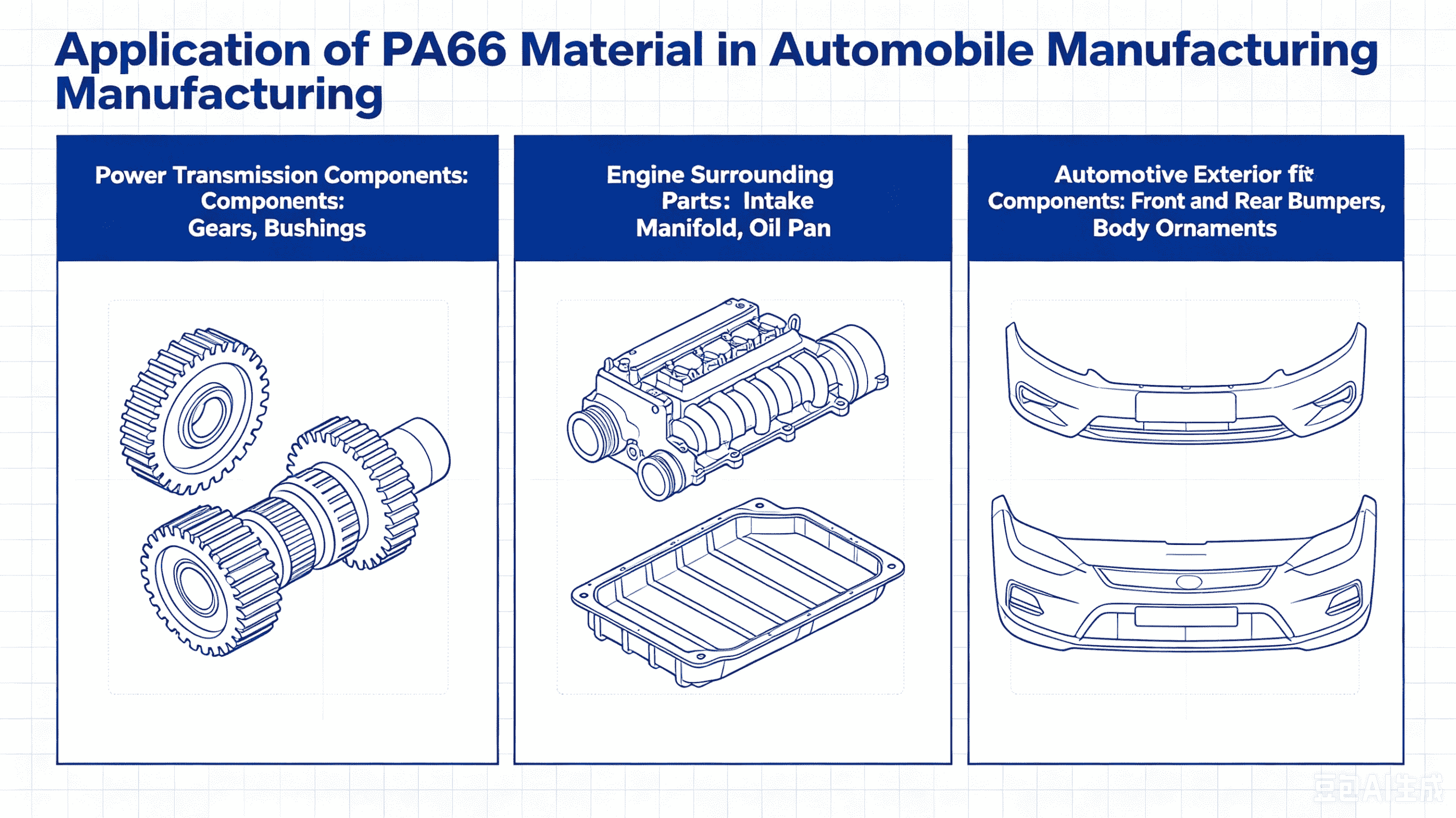
Leveraging the above outstanding properties, ULTRAMID® A 216 Y10 finds widespread use across multiple industrial sectors:
• Automotive: Power transmission components, engine peripheral parts, exterior body components;
• Electrical & Electronics: Precision connectors, switchgear, electrical insulation components;
• Industrial Machinery: Gears, bearings, sliders, and other wear resistant parts.
4. Processing and Storage Guidelines
ULTRAMID® A 216 Y10 is suitable for injection moulding. If the storage container has been opened, drying in hot air at approximately 80 85°C is recommended; drying is mandatory if the moisture content exceeds 0.2%. The recommended mould temperature is approximately 60 80°C. The material should be stored in a cool, dry, well ventilated area, away from heat sources and open flames, with storage temperature ideally below 50°C.
Conclusion
In summary, ULTRAMID® A 216 Y10 is a balanced, process friendly PA66 grade modified with molybdenum disulfide (MoS₂) lubricant. It does not chase extreme performance in any single property, but instead achieves an excellent balance across mechanical strength, heat resistance, toughness, chemical resistance, electrical insulation, and self lubricating wear resistance. This "all round" profile makes it a reliable and worthwhile option for engineers and procurement professionals when selecting materials for precision components.