
- English
- 简体中文
- Español
- Português
- русский
- Français
- 日本語
- Deutsch
- tiếng Việt
- Italiano
- Nederlands
- ภาษาไทย
- Polski
- 한국어
- Svenska
- magyar
- Malay
- বাংলা ভাষার
- Dansk
- Suomi
- हिन्दी
- Pilipino
- Türkçe
- Gaeilge
- العربية
- Indonesia
- Norsk
- تمل
- český
- ελληνικά
- український
- Javanese
- فارسی
- தமிழ்
- తెలుగు
- नेपाली
- Burmese
- български
- ລາວ
- Latine
- Қазақша
- Euskal
- Azərbaycan
- Slovenský jazyk
- Македонски
- Lietuvos
- Eesti Keel
- Română
- Slovenski
- मराठी

SABIC 1000-1000MC PEI: The "Benchmark Choice" in Medical-Grade Specialty Engineering Plastics
In high-end manufacturing sectors such as healthcare, electronics, and aerospace, material selection directly impacts product safety, reliability, and ultimately market competitiveness. For precision components that require repeated sterilization, prolonged human contact, or operation under high stress, standard engineering plastics often fall short.
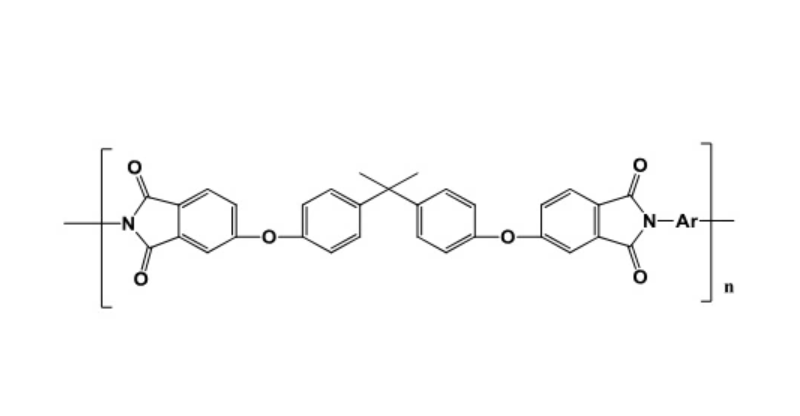
Today, we provide an in-depth look at a classic product from SABIC's ULTEM™ portfolio: ULTEM™ 1000-1000MC. This medical-grade polyetherimide E(PI) resin, thanks to its outstanding mechanical properties, chemical resistance, biocompatibility, and re-sterilization capability, has become a "benchmark choice" for medical device and advanced industrial applications worldwide.
________________________________________
I. What is "1000-1000MC"? Decoding the Nomenclature
Within SABIC's ULTEM family, the 1000 series represents standard, unfilled polyetherimide base resin, known for exceptional purity and balanced performance. The "MC" suffix stands for "Medical Compliant."
This designation signifies stricter batch control and quality traceability, meeting the medical device industry's high demands for material purity and consistency. It also provides relevant biocompatibility test data to support medical device registration filings. In short, 1000-1000MC is not just a high-performance engineering plastic; it is a "passport" to the medical market.
________________________________________
II. Performance Highlights: Why Is It Considered the "Benchmark"?
As a classic material validated by years of market use, ULTEM 1000-1000MC delivers compelling all-around performance across multiple dimensions.
Mechanical Properties: A "Skeletal Material" Combining Strength and Toughness
Even in its unfilled state, ULTEM 1000-1000MC exhibits excellent mechanical strength. Its tensile strength (yield) reaches 105 MPa, with a tensile modulus of 3200 MPa. Flexural strength (yield) is 160 MPa, and flexural modulus is 3400 MPa. Meanwhile, elongation at break ranges from 60% to 80%. This combination of high strength, high rigidity, and good ductility allows the material to withstand complex stress environments without brittle fracture.
Thermal Properties: Withstands Repeated High-Temperature Sterilization
A core challenge in the medical field is sterilization, and ULTEM 1000-1000MC excels here. It has a heat deflection temperature above 200°C at 1.82 MPa and a glass transition temperature of approximately 217°C, enabling continuous operation at 170°C.
This means it can endure hundreds of cycles of autoclave sterilization (121°C to 134°C) without deformation or hydrolysis, while also resisting ethylene oxide (EtO), gamma radiation, and electron beam sterilization. This property is critical for reusable medical devices such as surgical instrument handles, endoscope components, and dental tools.
Chemical Stability: Corrosion and Hydrolysis Resistant
ULTEM 1000-1000MC demonstrates excellent resistance to a wide range of chemicals. It withstands acids, bases, salt solutions, fats, alcohols, and hydrocarbons, and offers outstanding hydrolysis resistance, maintaining stability even in high-temperature, high-humidity environments. This ensures resistance to degradation from cleaning and disinfecting agents used in medical reprocessing.
Flame Retardancy & Low Smoke/Toxicity
As a specialty engineering plastic, the ULTEM family inherently possesses excellent flame retardancy. Grade 1000-1000MC achieves UL94 V-0 at 0.25 mm thickness, with low smoke density and low toxicity. Even in extreme fire scenarios, it does not release significant amounts of hazardous gases—a crucial feature for electronic medical device housings and operating room equipment.
Biocompatibility: The "Entry Ticket" for Medical Devices
ULTEM 1000-1000MC has undergone rigorous testing and complies with multiple biocompatibility standards. It passes ISO 10993-1 biocompatibility tests (including cytotoxicity, sensitization, and intradermal reaction), meets the highest USP Class VI biological testing requirements, and contains no animal-derived components. This allows the material to be used in medical devices for short-term (less than 24 hours) contact with human tissue, such as surgical instruments, diagnostic device components, and drug delivery systems.

________________________________________
III. Why Choose Medical Grade? Differences Between Standard and Medical Grades
A common customer question: "What's the difference between standard ULTEM 1000 and 1000-1000MC?"
The core difference lies in "control". Standard industrial-grade ULTEM 1000 follows industrial standards and offers standard quality traceability for industrial, electronics, and automotive applications. In contrast, medical-grade 1000-1000MC adheres to stricter medical-grade lot control, with full batch traceability to meet regulatory requirements. It provides biocompatibility test data (ISO 10993/USP Class VI) and offers technical documentation to support medical device registration.
For medical device manufacturers, using medical-grade materials significantly shortens product registration cycles, reduces regulatory risk, and saves valuable time to market.
________________________________________
IV. Typical Applications: From Operating Rooms to Diagnostic Equipment
Based on these performance characteristics, ULTEM 1000-1000MC is widely trusted across several high-end applications.
Surgical Instruments: Used for surgical instrument handles/grips, minimally invasive surgery components, and surgical robot parts. Key attributes: repeated sterilization resistance, high strength, comfortable feel, and design flexibility for complex ergonomics.
Endoscopy & Diagnostic Equipment: Applied in endoscope outer tubes and connectors, diagnostic equipment housings and structural parts, and imaging system precision components. Key attributes: high dimensional stability, resistance to chemical disinfectants, and good radiolucency (suitable for RF devices).
Drug Delivery Devices: Used in insulin pens, auto-injector components, nebulizers, inhaler structural parts, and drug packaging components. Key attributes: biocompatibility certification, drug contact resistance, and high dimensional precision.
Dental Instruments: Applied in dental handpieces, curing light housings, and sterilization trays. Key attributes: withstands repeated autoclaving, corrosion resistance, and easy cleaning.
Electronic Medical Equipment: Used in patient monitor housings, portable diagnostic device structural parts, and medical connector insulation components. Key attributes: excellent electrical insulation, UL94 V-0 flame retardancy, and dimensional stability.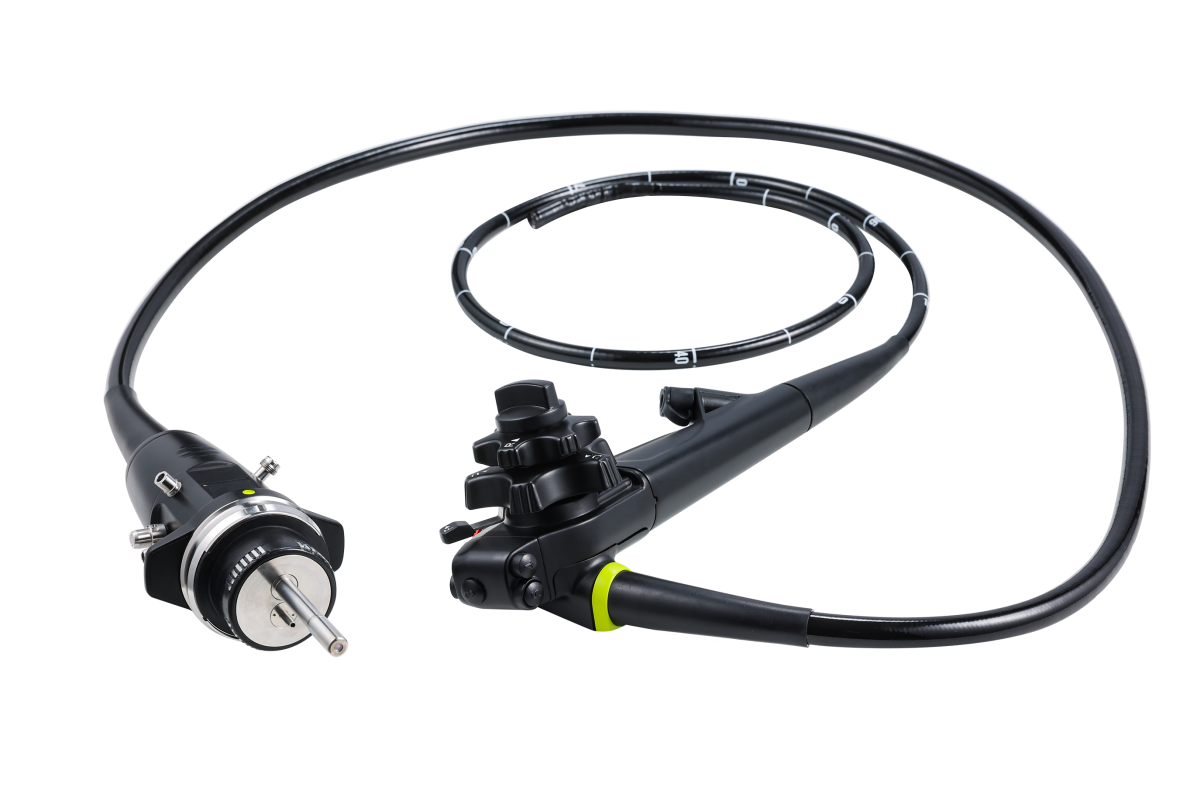
________________________________________
V. Processing Guide: Unlocking the Material's Full Potential
ULTEM 1000-1000MC offers good injection molding processability, but as a high-performance engineering plastic, key points require attention.
Pre-drying is essential for good results. The material is hygroscopic; dry for 4–6 hours at 150°C to ensure moisture content below 0.02%. Thorough drying enhances surface quality and ensures consistent mechanical properties.
Processing temperatures: Recommended melt temperature range is 350°C to 400°C. Recommended mold temperature range is 120°C to 170°C. Higher mold temperatures improve crystallinity, dimensional stability, and surface finish.
Injection molding parameters: Use medium to high injection pressure. For complex or thin-wall parts, high flowability aids filling. Use high-temperature-resistant mold steel to withstand prolonged high-temperature processing.
________________________________________
Conclusion
SABIC ULTEM 1000-1000MC is a time-tested, "benchmark" medical specialty engineering plastic. It masterfully combines outstanding mechanical properties, repeated sterilization resistance, excellent chemical stability, and proven biocompatibility, making it a trusted material choice for medical device manufacturers worldwide.