
- English
- 简体中文
- Español
- Português
- русский
- Français
- 日本語
- Deutsch
- tiếng Việt
- Italiano
- Nederlands
- ภาษาไทย
- Polski
- 한국어
- Svenska
- magyar
- Malay
- বাংলা ভাষার
- Dansk
- Suomi
- हिन्दी
- Pilipino
- Türkçe
- Gaeilge
- العربية
- Indonesia
- Norsk
- تمل
- český
- ελληνικά
- український
- Javanese
- فارسی
- தமிழ்
- తెలుగు
- नेपाली
- Burmese
- български
- ລາວ
- Latine
- Қазақша
- Euskal
- Azərbaycan
- Slovenský jazyk
- Македонски
- Lietuvos
- Eesti Keel
- Română
- Slovenski
- मराठी

Unveiling the Performance of Engineering Plastics: Decoding the Scientific Meaning of Nine Key Indicators and the Wisdom of Material Selection
As a core material in modern industry, plastics have expanded from everyday consumer goods to high-tech fields such as aerospace and precision instruments. Understanding the various physical property indicators of plastic materials is not only fundamental for engineers but also a crucial prerequisite for companies to achieve product innovation. This article provides a comprehensive understanding of materials science and practical guidance for material selection by analyzing nine key performance indicators of plastics.
I. Overview of Basic Properties: A Three-Dimensional Understanding of Physical, Mechanical, and Chemical Performance
The physical properties of plastics include indicators such as density, water absorption, and molding shrinkage, which directly affect product weight stability and dimensional accuracy. Mechanical properties reflect the material's behavior under external forces and are central to structural component design. Chemical performance determines a material's resistance in various environments, directly impacting product service life and application scope.
Taking polypropylene (PP) and polycarbonate (PC) as examples, although both belong to the broad category of plastics, their densities differ significantly: PP has a density of only 0.90–0.91 g/cm³, while PC reaches 1.20 g/cm³. This difference in density not only affects the final product weight but also relates to economic factors such as raw material costs and transportation expenses.
II. The Triad of Mechanical Strength: The Mechanical World of Tensile, Flexural, and Impact Properties
Tensile strength measures a material's maximum load-bearing capacity under tension, typically expressed in megapascals (MPa). The tensile strength of standard polypropylene is about 30–40 MPa, while engineering plastics like nylon 66 can reach 80–90 MPa, and specialty engineering plastics like PEEK (polyetheretherketone) can exceed 100 MPa.
Flexural strength reflects a material's ability to resist bending deformation and fracture, which is crucial for structural components bearing bending loads. For example, the flexural strength of ABS is approximately 65–85 MPa, which can increase by over 50% with glass fiber reinforcement. This explains why many engineering structural components opt for reinforced plastics.
Impact strength indicates a material's capacity to absorb impact energy without breaking and is a key indicator for assessing toughness. Common test methods include Izod (cantilever beam) and Charpy (simply supported beam) impact tests. The widespread use of polycarbonate in safety protection applications is largely due to its high impact strength of 60–90 kJ/m².
III. Surface Properties and Electrical Characteristics: The Practical Significance of Hardness and Dielectric Performance
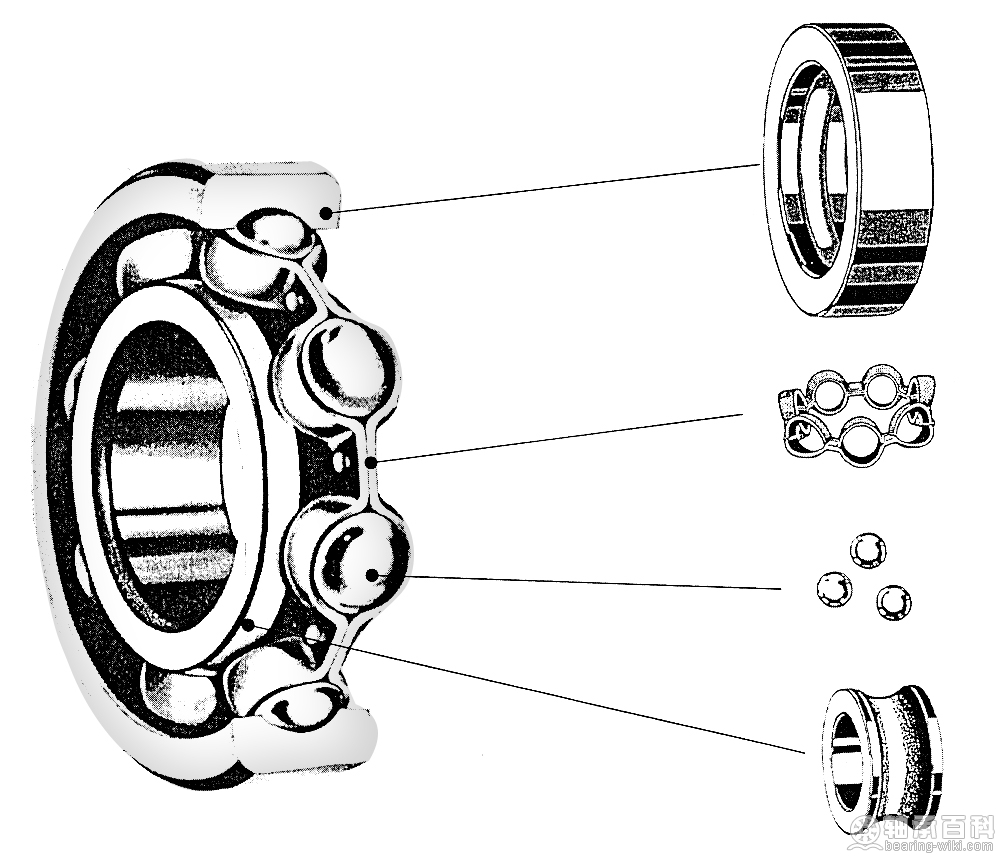
Plastic hardness is typically measured using Rockwell or Shore durometers and indicates a material's resistance to surface indentation. High-hardness plastics like polyoxymethylene (POM, Rockwell hardness M80–90) are more suitable for wear-resistant parts such as gears and bearings, while low-hardness materials like thermoplastic elastomers are ideal for sealing applications.
Dielectric properties are important indicators for evaluating a plastic's insulating capability, including dielectric constant, dielectric loss, and breakdown voltage. In the electronics and electrical fields, plastics with low dielectric constants (e.g., PTFE, with a dielectric constant of about 2.1) help reduce signal transmission loss, while materials with high dielectric strength (e.g., polyimide) are suitable for high-voltage insulation environments.
IV. Temperature and Weather Resistance: Distinguishing Between Heat Deflection Temperature and Maximum Operating Temperature
Heat Deflection Temperature (HDT) is the temperature at which a plastic deforms to a specified degree under a standard load, serving as a reference for short-term heat resistance. The maximum operating temperature, however, is the upper limit for long-term use of the material; the two should not be confused. For instance, standard ABS has an HDT of about 90–100°C, but its maximum continuous service temperature is only 60–80°C.
Ultraviolet (UV) and visible light transmittance directly affect a plastic's service life in outdoor environments and its suitability for optical applications. Polymethyl methacrylate (PMMA) boasts a light transmittance of up to 92%, earning it the title "queen of plastics," but it requires UV absorbers for long-term outdoor use. Conversely, polyphenylene sulfide (PPS) inherently possesses excellent weatherability and can be used outdoors long-term without additional treatment.
V. Chemical Stability
The chemical resistance of plastics varies significantly depending on the type of plastic and the chemical environment. Polytetrafluoroethylene (PTFE) demonstrates exceptional resistance to almost all chemicals, while polyester plastics are easily eroded by strong acids and bases. Material selection must consider the actual types, concentrations, and temperatures of the chemicals involved.
VI. Methodology for Material Selection: Performance Balancing and Innovative Applications
In practical applications, it is rare to find a single plastic that excels in all performance indicators. Skilled engineers must make trade-offs between various properties: high strength requirements may come at the cost of toughness; pursuing high light transmittance might reduce weatherability; selecting materials with strong chemical resistance often implies higher costs.
In recent years, the performance boundaries of plastics have been continuously expanded through methods such as blending modification, composite reinforcement, and nanotechnology. Glass fiber-reinforced plastics can increase strength several-fold, weathering additives allow standard plastics to adapt to outdoor environments, and the addition of antistatic agents expands the application of plastics in the electronics field.
Conclusion
Understanding the nine key performance indicators of plastic materials is the foundation for companies to select materials, design products, and optimize processes. With ongoing advancements in materials science, plastics are developing towards higher performance, greater functionality, and enhanced sustainability. In the context of carbon neutrality, new materials such as bio-based plastics and biodegradable plastics will present fresh opportunities for the industry.
In this era where materials define products, mastering the scientific essence of plastic properties not only helps improve product quality but also serves as a vital driver for technological innovation. Choosing the right plastic is the first step in imbuing a product with superior performance and lasting value.