
- English
- 简体中文
- Español
- Português
- русский
- Français
- 日本語
- Deutsch
- tiếng Việt
- Italiano
- Nederlands
- ภาษาไทย
- Polski
- 한국어
- Svenska
- magyar
- Malay
- বাংলা ভাষার
- Dansk
- Suomi
- हिन्दी
- Pilipino
- Türkçe
- Gaeilge
- العربية
- Indonesia
- Norsk
- تمل
- český
- ελληνικά
- український
- Javanese
- فارسی
- தமிழ்
- తెలుగు
- नेपाली
- Burmese
- български
- ລາວ
- Latine
- Қазақша
- Euskal
- Azərbaycan
- Slovenský jazyk
- Македонски
- Lietuvos
- Eesti Keel
- Română
- Slovenski
- मराठी

Innovation Driven, Shaping the Future: How Specialty Plastics are Reshaping the Electronics Industry
In today's era dominated by digitalization and intelligence, the electronics industry is iterating and innovating at an unprecedented pace. Behind every disruptive product, from slim smartphones to powerful data centers, from flexible wearables to reliable automotive electronics, lies the silent revolution of materials science. As a key enabler of this revolution, specialty engineering plastics are breaking the limits of traditional materials with their exceptional performance, opening new frontiers for the design and manufacturing of electronic devices.
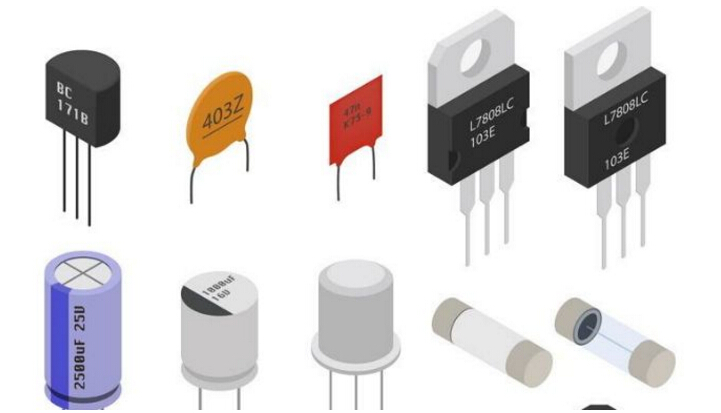
1. Miniaturization & Integration: High Fluidity and Thin-Wall Molding
As electronic devices increasingly pursue "lightness, thinness, compactness, and small size," components are becoming more complex and precise.
This places extremely high demands on the fluidity and moldability of plastic materials. BASF's Ultramid® Advanced N series of high-temperature nylons and SABIC's NORYL™ series of PPO/PPE resins offer excellent high-temperature flow characteristics. They can easily fill extremely small mold cavities, achieving perfect thin-wall molding. This ensures the structural integrity of precision components like connectors, micro-relays, and sensors while significantly improving production efficiency.
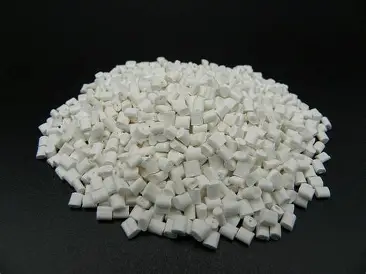
2. High-Frequency & High-Speed Communication: Superior Dielectric Properties
The full advent of the 5G era and the evolution towards 6G technology mean that devices must operate stably at higher electromagnetic frequencies. Metal enclosures can hinder signal transmission due to shielding effects, while the dielectric properties of ordinary plastics often fall short.
Specialty engineering plastics demonstrate irreplaceable advantages here. For instance, SABIC's ULTEM™ series of polyetherimide resins and BASF's Ultradur® PBT exhibit stable, low dielectric constants and dissipation factors. This makes them ideal for manufacturing 5G antenna housings, base station filters, and RF circuit boards, ensuring low-loss, high-fidelity signal transmission and laying the material foundation for an unimpeded communication experience.
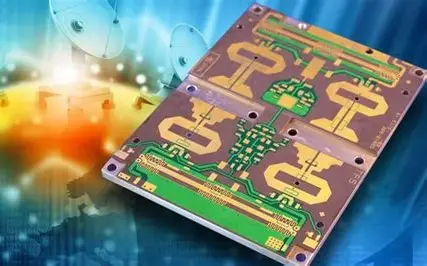
3. Thermal Management & Reliability: Stable Guardians in High-Temperature Environments
The continuous increase in power density of electronic devices leads to significantly higher internal operating temperatures.
Core components such as processors, power modules, and LED lighting operate at elevated temperatures for extended periods, requiring materials with excellent heat resistance, long-term thermal aging stability, and creep resistance. BASF's glass-fiber reinforced polyamides like Ultramid® A3WG10 and SABIC's EXTEM™ series of thermoplastic polyimides have heat deflection temperatures far exceeding those of standard engineering plastics. They can maintain excellent mechanical strength and dimensional stability over long periods at 150°C or even higher, effectively preventing deformation or failure due to heat, thereby greatly enhancing device reliability and service life.
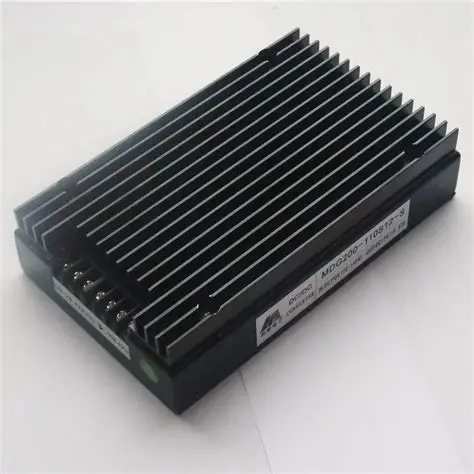
4. Lightweighting & Structural Strength: The Perfect Metal Replacement
In the consumer electronics sector, represented by smartphones, laptops, and AR/VR devices, lightweighting is a perpetual pursuit. Simultaneously, devices must possess sufficient structural strength to withstand drops and impacts in daily use. Specialty engineering plastics, such as SABIC's LEXAN™ series of polycarbonates and their modified compounds, as well as BASF's high-performance polyamides, offer an exceptionally high strength-to-weight ratio. They can not only replace some metal structural parts to achieve significant weight reduction but also integrate multiple parts through unified design, simplifying the assembly process and reducing overall costs.